 Rashid Minhas
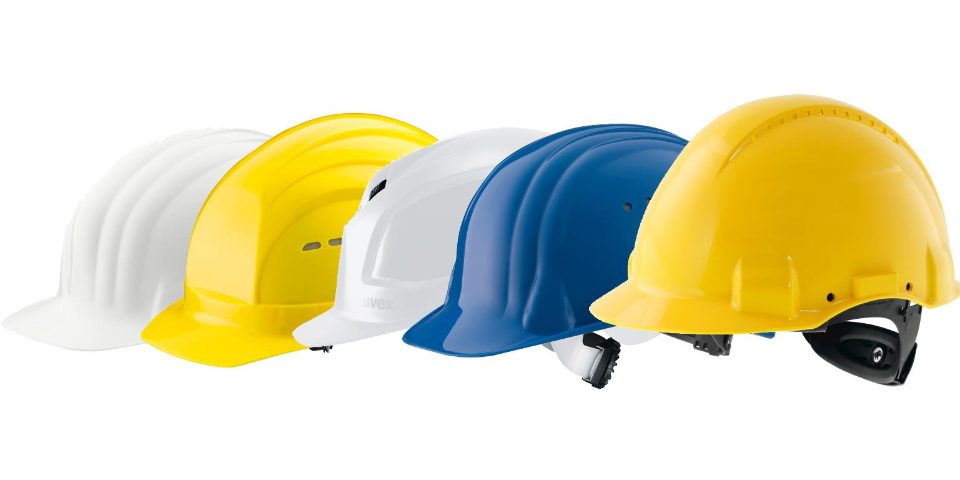
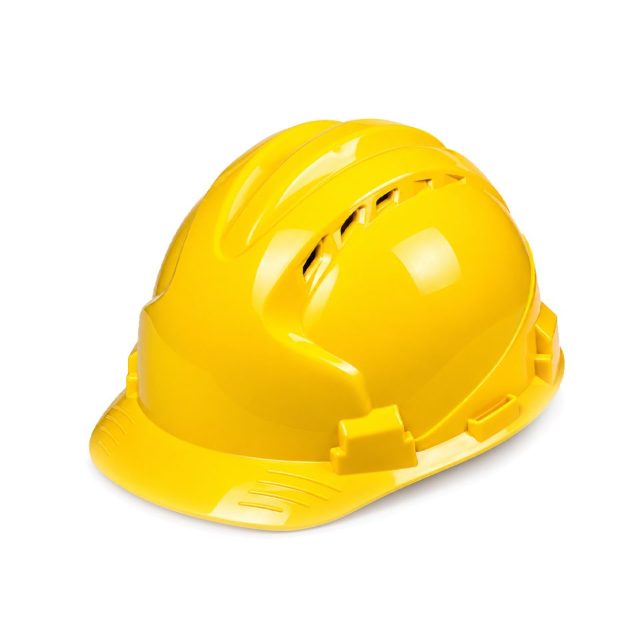
Safety helmets are essential personal protective equipment in workplaces where falling objects, overhead structures or other head hazards are present.
But not every hard hat offers the same protection.
A helmet suitable for routine overhead impact hazards may not provide sufficient protection where side impacts, electrical hazards or particular work-at-height conditions are involved.
Learning how to choose a safety helmet helps employers and workers evaluate more than appearance, price or brand.
Quick Answer: How Do You Choose the Right Safety Helmet?
Choose a safety helmet by identifying the workplace hazards, required impact protection, electrical classification, fit and applicable safety standard. Check whether the helmet needs a chin strap or compatible face and hearing protection. A suitable helmet must fit correctly, remain stable during work and carry verified markings for its intended use.
1. Start With the Actual Workplace Hazards
Before buying a safety helmet, consider where and how workers will use it.
- Common situations include:
- Construction sites with overhead tools or materials
- Factories with cranes, machinery and moving loads
- Warehouses with storage racks and low-clearance structures
- Maintenance areas containing pipes and beams
- Utility work involving possible electrical exposure
- Work-at-height activities with additional retention requirements
A basic risk assessment should establish whether protection is needed primarily against top impacts, lateral impacts, electrical hazards or a combination.
This is more reliable than purchasing a single helmet model for every job.
2. Safety Helmet Types and Protection Classes Explained
Industrial helmets are commonly assessed against standards such as ANSI/ISEA Z89.1 and EN 397.
However, the classification terms are not identical across standards.
Type I and Type II Helmets
Under ANSI/ISEA Z89.1:
| Type | Main protection | Selection consideration |
| Type I | Impacts to the top of the head | Common overhead impact hazards |
| Type II | Impacts to the top and sides | Tasks presenting additional lateral impact risks |
Not every construction hard hat provides Type II protection.
Always check the manufacturer's markings rather than assuming that a larger-looking shell provides a higher level of protection.
Electrical Classes
ANSI/ISEA Z89.1 also distinguishes electrical performance classes:
- Class G: general electrical protection classification
- Class E: higher electrical protection classification
- Class C: no electrical protection classification
The electrical class and the helmet's suitability must be verified for the work involved.
A ventilated helmet or one with metallic accessories may be unsuitable for certain electrical hazards.
EN 397
EN 397 covers industrial safety helmets and includes specified protective-performance requirements.
Buyers should verify the exact standard, edition and any optional performance markings on the supplied helmet.
An EN 397 marking must not automatically be treated as equivalent to every ANSI Type II or electrical classification.
3. Ratchet vs Pin Lock Safety Helmets
The suspension system affects both comfort and stability.
| Feature | Ratchet suspension | Pin lock suspension |
| Adjustment | Wheel or dial mechanism | Position-based adjustment |
| Convenience | Typically quicker to adjust | Simpler adjustment system |
| Glove use | Often easier to adjust | May require more handling |
| Fit | Fine adjustment where designed | Incremental adjustment |
| Best choice | Frequent fit adjustments | Consistent sizing and simpler use |
Neither suspension system automatically makes a helmet more protective.
The shell, complete helmet assembly, certification and fit remain decisive.
Why Proper Helmet Fit Matters
A helmet that moves excessively may not remain correctly positioned during work.
Check that the suspension sits securely and that the helmet does not become unstable when bending, looking upward or carrying out routine tasks.
Never modify a helmet by drilling holes, cutting the shell or adding accessories that have not been approved by the manufacturer.
4. Safety Helmet Buying Checklist
Use this seven-point checklist before finalising a workplace order.
| Check | What to verify |
| 1. Hazard suitability | Top impact, side impact and any electrical exposure |
| 2. Applicable standard | Verified EN or ANSI marking |
| 3. Shell condition | No cracks, deformation or visible damage |
| 4. Suspension | Secure fit and appropriate adjustment |
| 5. Retention | Chin strap where required by the task and helmet system |
| 6. Accessories | Manufacturer-approved face shields and hearing protection |
| 7. Product traceability | Model, manufacturer, production information and instructions |
For larger teams, a wear trial can reveal comfort and fit problems before bulk purchasing.
5. Safety Helmets for Construction vs Factory Work
Construction Sites
Construction workers may face falling tools, building materials and overhead operations.
Some tasks may also involve falls, side impacts or electrical exposures.
A helmet should be selected based on those hazards, with appropriate retention features and verified protection.
Manufacturing Facilities
Factories often involve overhead machinery, suspended loads and fixed metal structures.
Workers may also need eye or hearing protection, making compatible accessories particularly useful.
Warehouses and Logistics Operations
Storage racks, loading areas and lifting operations create different head-injury risks.
Head protection should match the identified hazards rather than being selected solely because it is standard site uniform.
Electrical Maintenance
Electrical work requires particular attention to helmet material, construction and electrical classification.
Never assume a standard hard hat is electrically protective unless the relevant markings support that conclusion.
6. Comparing 3M Safety Helmet Options in Pakistan
Saif Al Burhan Trading lists 3M helmets in its head-protection category, including models from the H-700 and G3000 ranges.
Examples listed in the catalogue include:
| Model | Catalogue description | Feature to review |
| 3M H-701P | White hard hat helmet | 4-point pin lock suspension |
| 3M H-701R | White hard hat helmet | 4-point ratchet suspension |
| 3M H-702R | Yellow hard hat helmet | Ratchet suspension and UV indicator |
| 3M G3000 series | Industrial safety helmets | Available ventilated and UV-indicator variants |
These features help buyers shortlist products, but suitability still depends on the exact manufacturer's specification and certified application.
A UV indicator provides a useful visual aid on applicable models; it does not replace inspection or manufacturer replacement instructions.
Explore the available 3M safety helmets and hard hats for current models and purchasing details.
7. Safety Helmet Price in Pakistan
The safety helmet price in Pakistan depends on manufacturer, model, suspension mechanism, construction and additional features.
Saif Al Burhan's listed head-protection range includes 3M helmet models with different adjustment and accessory configurations.
For business buyers, price comparisons should account for:
- Model and manufacturer
- Verified protection standard
- Suspension type
- Replacement suspension availability
- Compatibility with approved accessories
- Required quantities
For large procurement orders, it may be more practical to standardise approved models by job role than to choose one model for the entire workforce.
8. Helmet Inspection and Replacement
Safety helmets should be inspected before use and after incidents that may affect their protective performance.
Look for:
- Cracks or deformation
- Deep cuts or damage
- Damaged or loose suspension components
- Discolouration or other signs of material deterioration
- Missing labels or identification markings
- Unapproved alterations
A helmet that sustains an impact may need replacement even if visible damage is limited.
Replacement periods depend on the manufacturer's instructions, exposure conditions and inspection findings. There is no single universal replacement interval suitable for every helmet.
9. Buying Safety Helmets in Karachi and Pakistan
Saif Al Burhan Trading supplies industrial safety products from Karachi and lists several 3M helmet models for workplace applications.
Construction contractors, factory procurement teams and facility managers can review available models and request purchasing information.
For bulk requirements, share the anticipated workplace hazards, preferred certification, helmet colours, quantity and accessory requirements.
This allows a more accurate comparison between suitable product options.
Frequently Asked Questions
What is the difference between a hard hat and a safety helmet?
The terms often overlap. The important distinctions are the actual design, impact protection, retention features and verified certification—not simply whether the product is marketed as a hard hat or helmet.
Which safety helmet is best for construction work?
The best choice is a model certified for the hazards identified at the construction site. Falling-object risks, lateral impact hazards, electrical exposure and working conditions should all be considered.
Is a ratchet helmet better than a pin lock helmet?
Ratchet suspension can make adjustment more convenient, but it does not automatically provide superior impact protection. Correct fit and the complete helmet's certification matter more.
Can a safety helmet be used for electrical work?
Only when the helmet is suitable for the specific electrical hazard and carries appropriate verified markings. Not all industrial helmets are electrically protective.
When should a safety helmet be replaced?
Replace damaged or impact-compromised equipment according to the manufacturer's instructions. Inspection findings, working conditions and the product's specified service guidance determine replacement needs.
Final Recommendation
Choosing industrial head protection should begin with the job, the hazards and the appropriate certification—not the lowest price.
Explore safety helmets in Pakistan from Saif Al Burhan Trading and compare available 3M models for your workplace requirements.
Technical basis: OSHA's guidance on Type I/II helmets and electrical classes, together with Saif Al Burhan's current 3M product catalogue.