


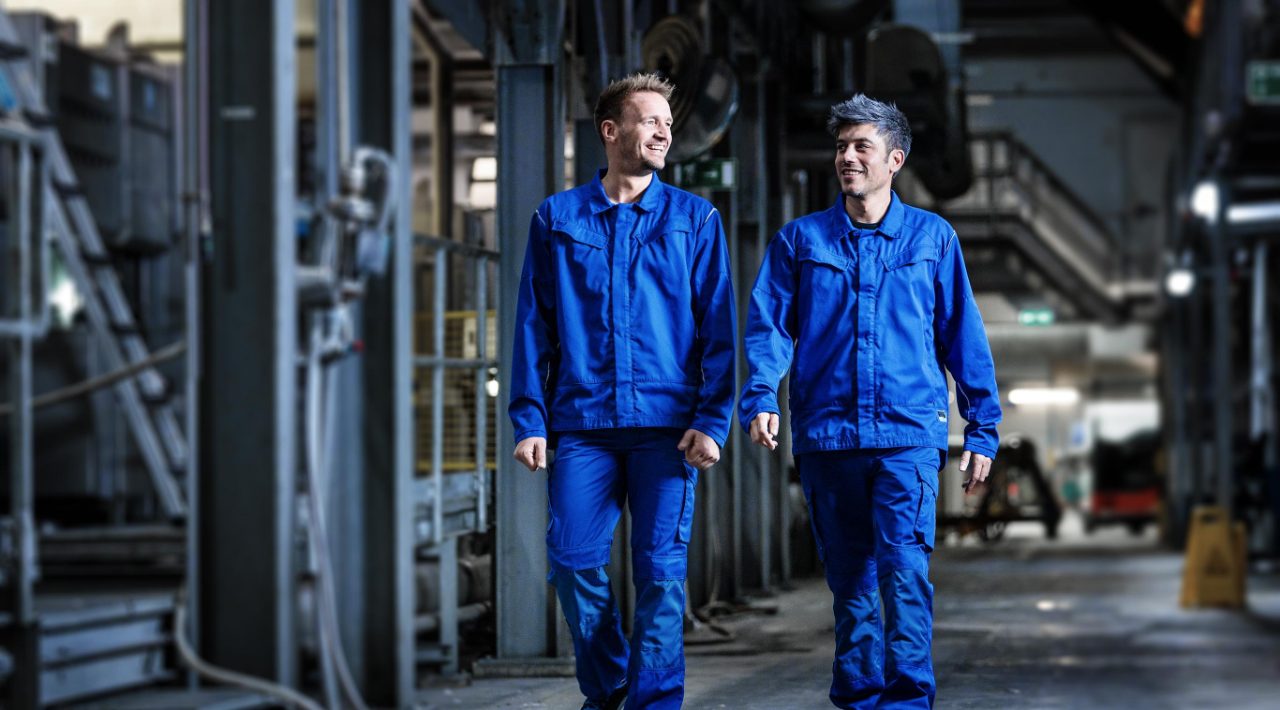
Factory procurement teams often receive requests for a “coverall”, “overall suit” or “dangri dress”. These terms can overlap in local purchasing conversations, yet what matters is the garment’s design, material and whether the worker needs ordinary clothing protection or certified protection from a specific hazard. A single garment should not be assumed suitable for welding, chemical handling and everyday warehouse duties. The industrial coveralls and dangri suits collection provides examples of the workwear range.
1. Identify What the Clothing Needs to Do
Ordinary workwear helps create a consistent uniform and protects personal clothing from routine dirt and abrasion. Protective clothing is a separate category where tested performance may be required against heat, chemicals or other hazards. The job analysis should distinguish cosmetic wear resistance from a certified protective function.
| Work activity | Garment features to consider | Do not assume |
| Warehouse and general maintenance | Comfort, abrasion resistance, pockets and washability | That a general coverall is chemical protective |
| Outdoor construction | Breathability, sizing, mobility and visibility needs | That a dark work suit is high visibility |
| Painting or dusty tasks | Task-appropriate disposable or reusable protective clothing | That all disposable suits resist solvents |
| Welding or heat exposure | Approved heat/flame-protective garment for task | That cotton alone guarantees flame resistance |
| Chemical handling | Chemical-specific tested suit and seams | That water resistance equals chemical resistance |
2. One-Piece Coveralls, Bib Overalls and Disposable Suits
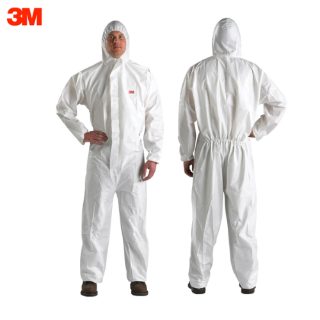
One-piece work coveralls can reduce gaps between a separate shirt and trousers during routine movement. Bib overalls may be convenient for some trades, but leave the upper body uncovered unless worn with suitable additional clothing. Disposable coveralls are often designed for contamination control or limited exposures; performance varies significantly by model and fabric. Every option must be assessed against its intended use and stated limitations.
3. Fabric, Fit and Work Conditions
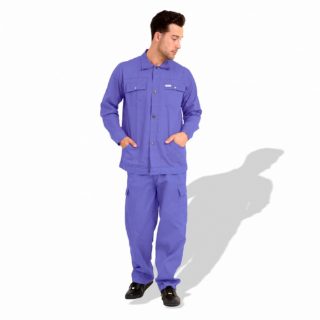
Common workwear descriptions include cotton, polyester/cotton blends and heavier woven materials. Material names do not prove flame resistance, chemical resistance or antistatic performance. Compare laundering guidance, stitching, zip or button closure, pocket placement, garment shrinkage, ease of crouching and the temperature of the work area. Test representative sizes before a large order; an oversize suit can snag on machinery while a restrictive suit can reduce safe mobility.
4. How to Prepare a Bulk Dangri Order
| Purchase specification | Details to collect |
| Task and area | Workshop, warehouse, construction or specialist work |
| Garment style | One-piece zip/button coverall or bib-type overall |
| Fabric | Manufacturer-stated composition and weight where available |
| Size distribution | Measured wearer sizes rather than uniform estimation |
| Colours and branding | Site policy, embroidery or identification needs |
| Protection claim | Relevant certification and test documentation when needed |
| Care and supply | Wash instructions, reorder lead time, expected quantity |
For procurement in Karachi or across Pakistan, use a trial order to check seams, sizing and practical comfort before a full workforce rollout. Verify the live catalogue’s colour and size availability rather than quoting a fixed range in the article. One listed option for assessing material and reflective detailing is the American Safety ASC-1278666 cotton work coverall; confirm current sizes and manufacturer information before ordering.
5. Common Purchasing Mistakes
Using “coverall”, “dangri” and “chemical suit” as interchangeable specifications.
Selecting solely by fabric thickness instead of job requirements.
Assuming a generic work garment is flame-retardant or arc-rated.
Ordering one size for an entire crew without fit sampling.
Ignoring maintenance and replacement after damage or contamination.
Skipping compatibility checks with harnesses, gloves and other PPE.
6. What About Protective Coveralls and Chemical Suits?
Saif Al Burhan’s catalogue separates general work-wear coveralls from chemical and disposable coverall suits and other protective clothing. That distinction is useful: buyers should start with the hazard and then inspect the actual garment’s technical sheet. Chemical splash protection, liquid-tight construction, flame protection and arc-flash protection are different performance claims. Do not publish a compliance assertion for any garment without the relevant model documentation.
7. How Much Does a Dangri Suit Cost in Pakistan?
Pricing varies with garment construction, material, sizing, brand, quantity and any documented protective rating. Custom colours or branding may affect quoted costs. A low-cost work uniform and a specialised protective suit should never be compared solely on price because their intended duties may be completely different. If sourcing uniforms together with footwear, use the existing safety shoes buying guide to plan a separate footwear specification.
Frequently Asked Questions
Is a dangri suit the same as a coverall?
Sometimes the terms overlap in local trade usage, but a dangri can also mean a bib overall. Verify the actual style and product image.
Can an ordinary cotton coverall be used for welding?
Do not assume so. Welding-related heat and flame hazards require a suitable garment selected through a task assessment and verified documentation.
Are disposable coveralls chemical proof?
No. Their barriers, seams and exposure limitations vary; select using substance-specific manufacturer data.
What sizes should a factory order?
Measure the crew and conduct a wear trial, especially where workers bend, climb or use other PPE.
Where can I buy industrial coveralls in Karachi?
Saif Al Burhan Trading lists general workwear and protective clothing categories; confirm current options and quotation terms with the business.
Final Recommendation
For a practical workwear quotation, share the garment style, job tasks, fabric requirements, size breakdown and number of employees with Saif Al Burhan Trading. Where the garment must provide protection against an identified hazard, request the model-specific standard and test information first.